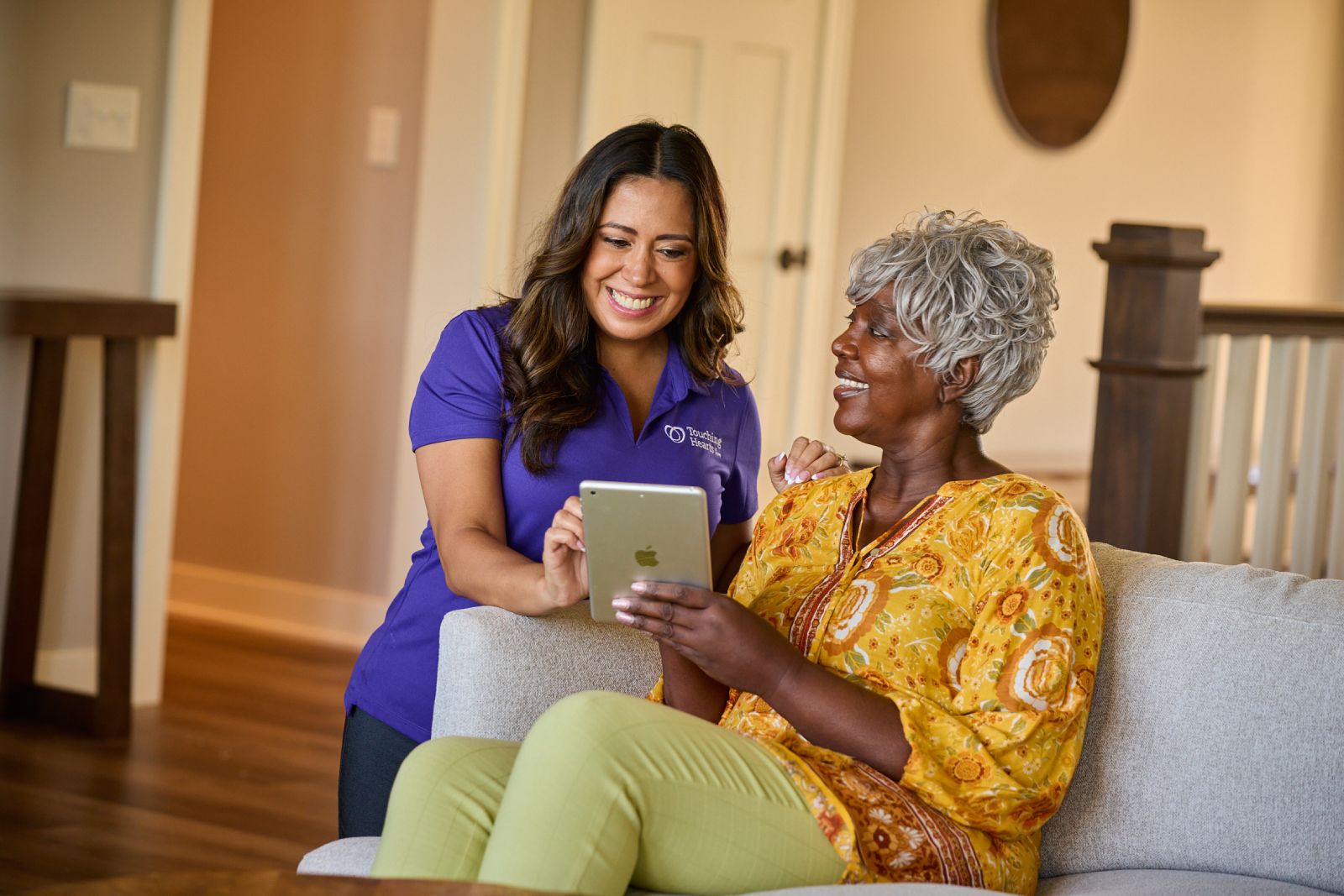
Artificial Intelligence (AI) is transforming industries across the globe, and the caregiving sector is no exception. While there’s a common misconception that AI will replace human caregivers, the truth is far more exciting. AI in senior caregiving is designed to enhance and complement human care, automating routine tasks, improving health monitoring, and boosting communication.
AI doesn’t replace the personal connection between caregivers and clients; it enhances it. By automating administrative tasks and helping manage health data, AI enables caregivers to focus on their primary role: providing compassionate, hands-on care.
AI-powered tools can automate scheduling, medication reminders, and data logging, allowing caregivers to focus on meaningful interactions with clients.
Wearable devices and home sensors track vital signs in real-time. AI alerts caregivers to irregularities, enabling quick responses and preventing emergencies while maintaining personalized care.
AI improves communication by providing real-time updates and alerts to caregivers, family members, and healthcare professionals, ensuring coordinated care and better service.
Integrating AI in the caregiving industry offers several advantages:
Enhancing caregiving with AI offers great potential, but it’s important to address ethical concerns. AI should support, not replace, human care, as the compassionate bond between caregivers and clients is irreplaceable. Caregivers must be trained to use AI responsibly, ensuring strict privacy and data security to protect seniors' information while enhancing care without compromising dignity.
There are several examples of how technology for home care, including AI, is already improving caregiving:
These technologies show how AI is working alongside human caregivers to improve the overall caregiving experience.
As AI for caregivers evolves, its impact on senior care will increase, featuring advanced health monitoring, AI-powered robots for physical assistance, and improved communication systems. These innovations will enhance personalized care and responsiveness to seniors' needs.
When used ethically, AI technology enhances caregiving by supporting caregivers, not replacing them. It automates tasks, monitors health, and improves communication, allowing caregivers to focus on providing real, personalized care. The future of caregiving is a partnership between AI and human caregivers, where technology complements the human touch for the best care.
To learn more about how technology would assist you as a potential Touching Hearts at Home franchisee, contact us today!
AI automates routine tasks, tracks health data, and improves communication, freeing up caregivers to focus on providing personalized, compassionate care.
AI will continue to enhance caregiving by improving health monitoring, communication, and administrative efficiency, ensuring seniors receive better, more coordinated care.
Yes, when used with proper data security and privacy measures, AI tools can be reliable and improve caregiving efficiency.
By automating routine tasks and providing real-time health data, AI reduces the workload on caregivers, helping prevent burnout and allowing for more direct care.
The main concern is ensuring tech for caregivers is used to support — not replace — human interaction, with strict privacy and security measures in place to protect sensitive data.

Eric Redden serves as the Director of Franchise Development for Touching Hearts at Home. With years of experience supporting both emerging and established franchise brands, Eric helps entrepreneurs discover meaningful paths to business ownership. He is committed to guiding new franchise owners with clarity, confidence, and heart.