When people talk about home care franchises, they’re usually referring to one of two types: non-medical home care or skilled nursing (often called home health). They can sound similar because both help people stay in their homes, but they’re very different businesses. The difference comes down to what services you provide, how your company is set up, and what you’re responsible for as an owner. As an investor looking for a franchise opportunity, getting this distinction clear upfront can save you a lot of time and frustration., getting this distinction clear upfront can save you a lot of time and frustration.
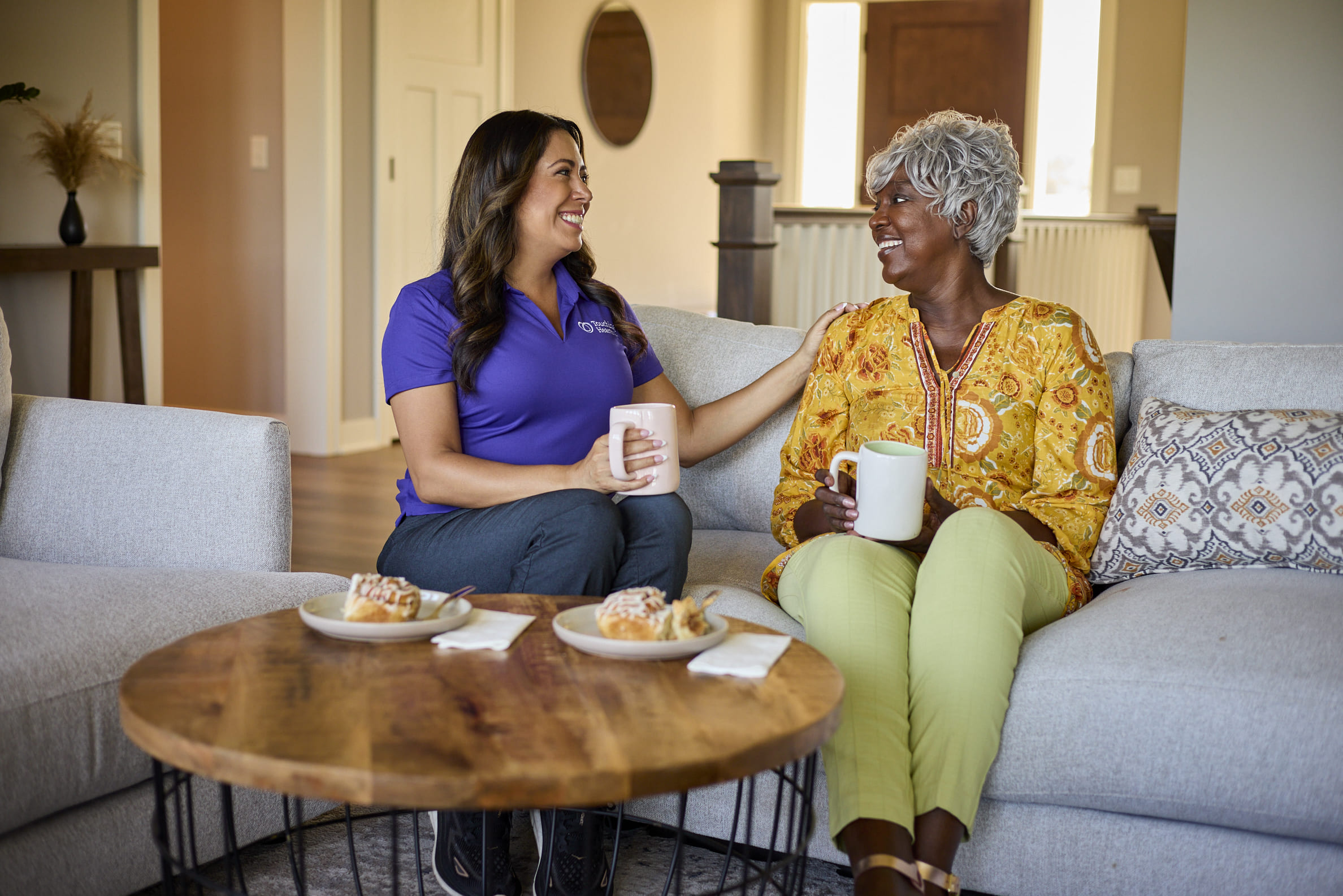
A non-medical home care franchise provides in-home support for people who need help with daily tasks but not medical care, such as older adults who no longer drive or those who need stability to stay safe and maintain routines. Typical services include companionship, meal prep, light housekeeping (laundry, linens), and transportation to appointments and errands.
Many providers also assist clients with Alzheimer’s or dementia using non-clinical best practices and offer basic home check-ins for added peace of mind. From an owner’s perspective, success in non-medical home care relies on hiring and retaining great caregivers, training and supporting the team, matching caregivers to clients, and delivering consistent service.
A skilled nursing franchise—often called a home health franchise—provides clinical care in a client’s home. Licensed professionals offer care—think nurses and therapists—so there’s a lot more oversight, paperwork, and regulation. Depending on your state and the licenses you have, that can include nursing visits, therapy, clinical evaluations, and coordinating the whole care plan. Compared to non-medical home care, you’ll need more licensed staff and more formal clinical processes, so it usually takes more time and structure to get set up from day one.
The easiest way to understand it is to look at what you’re delivering. Non-medical home care is practical support, such as assisting your patient with meals, laundry, errands, and staying safe at home. Home health is clinical care that requires licensing and supervision. Once you know that, the rest is pretty logical: different staff, different training, different operations, different systems, and usually different timelines to launch. Families aren’t asking for the same thing either—one is about reliable help, the other is about licensed medical care.
Non-medical home care rules usually emphasize safety and reliable service, and may require state licensing or registration plus clear processes for client intake, caregiver screening or background checks, training, and ongoing quality reviews.
Home health is a different category because it provides medical services, which bring tighter requirements, licensed clinical supervision, and much more paperwork. Licensing isn’t just a form to submit—it can shape your launch plan, hiring needs, and operating costs from day one.
Even if the two models seem alike on the surface, the money is made in different ways—and that matters for your investment. One depends on billed hours and steady day-to-day execution; the other depends on clinical flow and thorough recordkeeping.
In non-medical home care, revenue grows when you can reliably cover shifts and keep caregivers from churning. Clean schedules and dependable service protect margins, and a strong reputation keeps the pipeline warm.
In home health, the business runs through clinicians and processes. Intake speed, utilization, coordination, and documentation quality have a direct impact on how profitable it becomes.
If you’re deciding which option fits, start by considering the type of business you want to operate on a daily basis when determining which option is best. Non-medical home care might be a better fit if you enjoy hiring and managing staff, fostering local connections, and providing a service where dependability, kindness, and trust are the "product." It prioritizes people and is hands-on. Families frequently depend on you for a long time, and word-of-mouth and referrals are typically the main sources of growth.
Skilled nursing/home health may be a better option if you're at ease in a medical setting, don't mind more stringent regulations, and prefer a model centered on licensed care and necessary documentation. Although the work can be extremely fulfilling, it usually requires stronger clinical systems and entails greater clinical responsibility.
A lot of potential franchisees also think about lifestyle and complexity. Neither model is “easy,” but they’re difficult in different ways. Non-medical home care is staffing- and scheduling-intensive. Home health is documentation- and compliance-intensive. The best choice is usually the one that matches your strengths and what you want your daily work to look like.
Home health and non-medical home care may appear similar, but they have different revenue streams. When it comes to non-medical home care, it usually boils down to how well you manage the day-to-day operations ... can you retain quality caregivers, maintain a full schedule, and provide consistent service? Families who trust you stay with you and recommend you to others, which facilitates growth.
The profit margins of a home health care franchise are more closely linked to clinical staffing and procedures. In order to prevent backups, you need systems that maintain intake, scheduling, and documentation in addition to licensed clinicians.
Non-medical home care and skilled nursing/home health both support clients at home, but they differ: non-medical care focuses on companionship and daily tasks to keep life safe and manageable, while skilled nursing provides clinical care from licensed professionals under stricter oversight. If you’re considering Touching Hearts at Home to enter the industry of senior care, start by reviewing your state’s licensing requirements to ensure they fit the non-medical model.
When the business aligns with your experience and leadership style, it’s easier to manage … and easier to grow.