Understanding the Senior Care Industry: Trends & Growth

The senior care industry is one of the fastest-growing sectors in the U.S. economy. With the aging Baby Boomer population and longer life expectancies, more seniors are choosing to live independently in their homes, creating a substantial demand for professional in-home care services.

By 2030, the senior population in the U.S. will approach 72 million

The senior population is rapidly growing, and an increasing number of seniors are choosing to stay in their homes for as long as possible. By 2035, people aged 65 and older are expected to outnumber children for the first time in U.S. history. The nearly 54 million seniors currently living in the U.S. represent about 20% of the total population. This growing demographic brings increased healthcare challenges and an expanding need for home healthcare services.

“As the Baby Boomer generation continues to age, we’re seeing a historic increase in the 65-and-older population,” says Dr. Luke Rogers, Chief of the Census Bureau’s Population Estimates Branch. “Since 2010, the 65-and-older age group has grown by over a third — no other age group has experienced such rapid growth.”

Find Out More About Our Story

Key Developments in the Elderly Care Industry Market

The Baby Boomer generation, born between 1946 and 1964, is fueling the “silver tsunami,” with roughly 10,000 people turning 65 every day. As this aging population grows, so does the home healthcare industry, which is expected to reach $515.6 billion by 2027, according to Grand View Research. These seniors increasingly desire to remain at home, and their families are actively seeking professional caregiving services.

Reach Out to Our Team Today!
“Demographics are on your side,” says Ryan Fensler, franchisee of Touching Hearts at Home in Denver. “For anyone new to the senior care franchise world, I suggest researching the aging population statistics in your area. There’s a high likelihood that the demand is already there.”
Read Our Frequently Asked Questions

Top 5 Frequently Asked Questions About the Senior Care Industry

The elderly care industry offers a range of services to support seniors with daily living, healthcare, and personal care needs. These include in-home care, where caregivers assist with tasks such as meal preparation and medication management, enabling seniors to remain in their homes. Nursing homes provide 24/7 medical care for individuals with chronic conditions, while assisted living facilities offer a balance of independence and support for seniors who require assistance with daily activities. Additionally, memory care focuses on the specialized needs of individuals with Alzheimer’s or dementia, providing a secure and supportive environment. These services work together to ensure that elderly individuals receive the appropriate care tailored to their unique needs.
The industry’s growth is driven by the aging Baby Boomer population, longer life expectancy, and an increasing need for senior healthcare. As more seniors require assistance with daily tasks, the demand for senior care services increases.
Trends include a growing focus on in-home care, the integration of technology for better patient monitoring, the rise of specialized memory care, and an increased shift toward aging in place. There’s also a stronger emphasis on holistic care that addresses physical, emotional, and mental health.
Challenges include a shortage of skilled caregivers, which makes it difficult to meet the growing demand for services and often leads to higher turnover rates and potential declines in care quality. Rising healthcare costs further complicate the situation, as families struggle to afford long-term care for their loved ones. Additionally, providers must navigate complex regulatory compliance, which can be time-consuming and costly, especially as laws and standards continue to evolve. The financial burden on families is also a major concern, as many are forced to make difficult choices between caregiving expenses and other financial needs. As demand for senior care grows, competition among service providers intensifies, making it increasingly challenging for businesses to stand out while maintaining high-quality care and keeping pace with the industry's growing demands.
You can get involved by opening a senior care business or franchise, investing in senior care stocks, or pursuing a career as a trained healthcare provider. Before starting a business, it’s important to understand the industry’s regulations and the market demand in your area.

A Resilient Industry

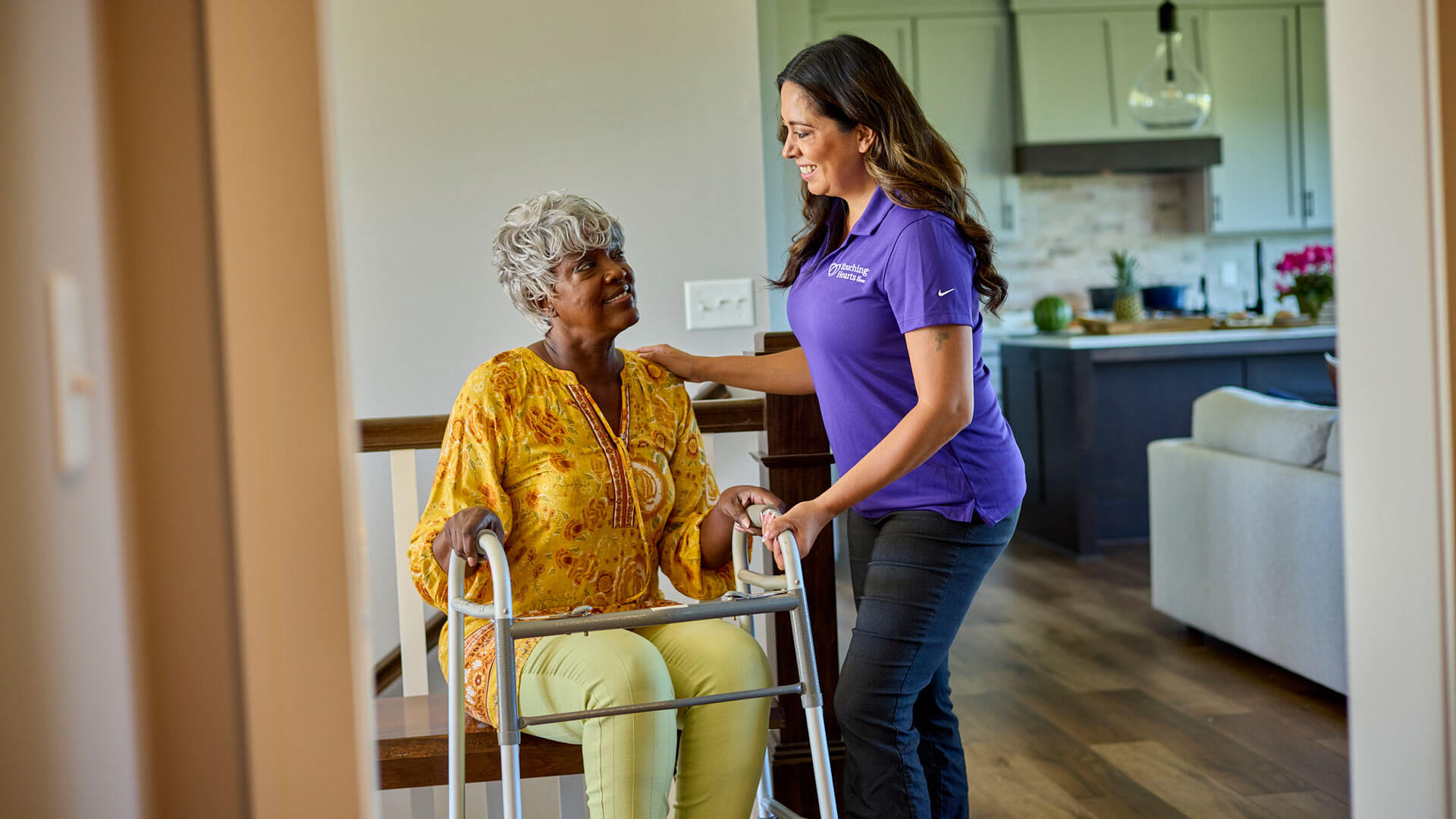
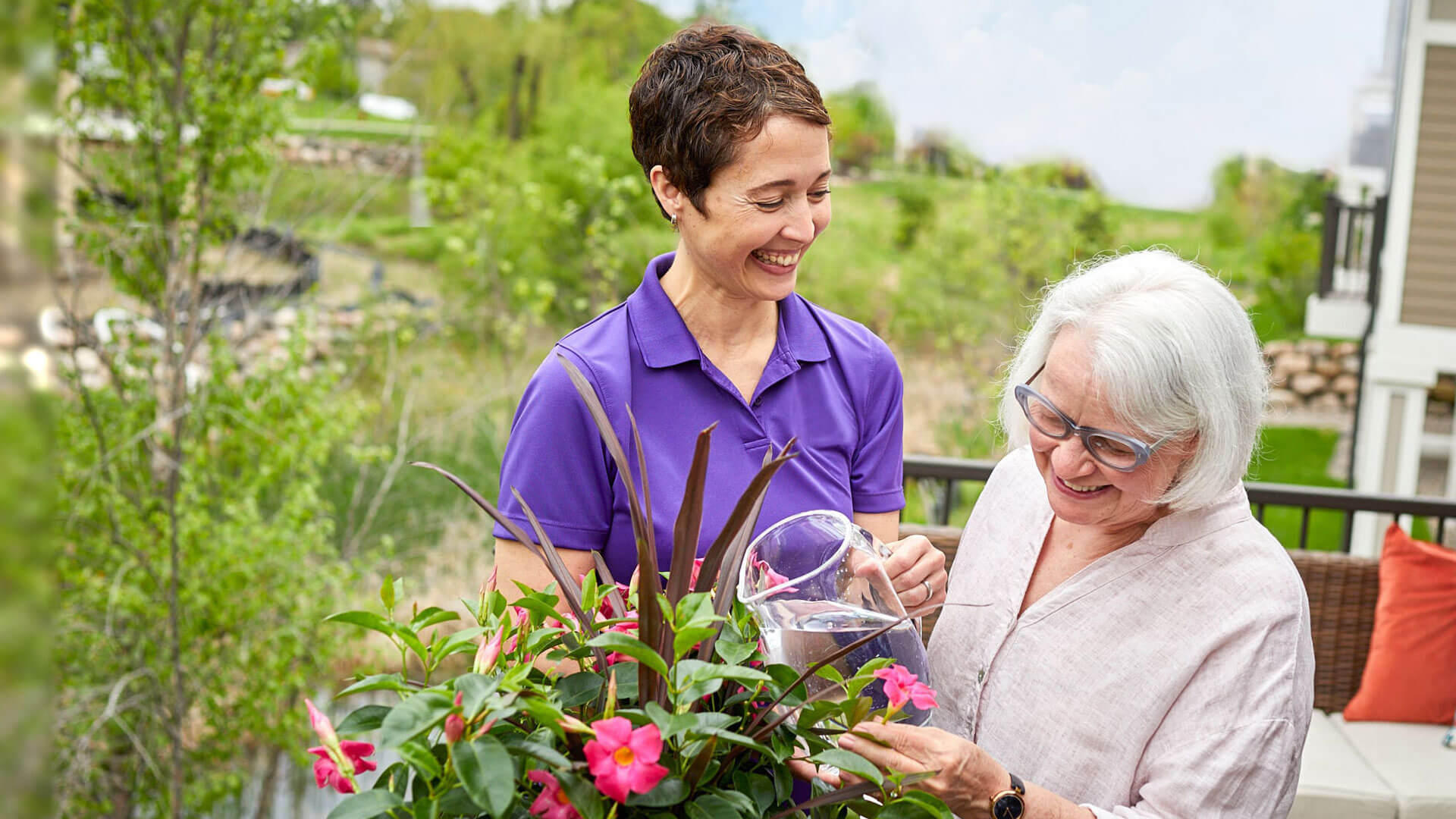
Today’s seniors live longer, with an average life expectancy of 19 years after turning 65 — and this trend is expected to continue. Seventy-eight percent of seniors own their homes, and many prefer to age in place. According to the Joint Center for Housing Studies of Harvard University, three out of four adults aged 50 and older want to remain in their homes as they age. In-home senior care bridges the gap between self-sufficiency and more intensive medical care. Staying in familiar surroundings supports seniors' longevity and overall quality of life, fueling the demand for in-home care services.
Contact Us Today
  • 90% of seniors plan to stay in their homes for the next five to ten years. As the desire for independence remains strong, the majority of seniors prefer to age in place, with 90% expressing plans to stay in their homes within the next 5-10 years. This reflects the comfort, familiarity, and emotional security that come with living in one's own home during the later years of life.
  • 87% of adults aged 65 and above prefer to age in place, remaining in their current home and community. A vast majority of seniors, 87%, prefer to stay in their current home and community rather than move to assisted living facilities or nursing homes. This desire to remain in a familiar environment is closely tied to the emotional and psychological benefits of staying connected to one's neighborhood, friends, and social circles.
  • 75% of people over age 50 want to stay in their homes or communities for as long as possible. More than two-thirds of adults aged 50 and older indicate a strong preference for aging in place, wishing to remain in their homes or communities for as long as possible. This desire is driven by the preference for autonomy and comfort, as well as the belief that staying at home improves quality of life as people age.
90% of seniors

say they plan to remain in their homes for the next five to 10 years.
87% of adults

Age 65+ want to stay in their current home and community as they age.

75% of people

 over age 50 want to stay in their homes or communities for as long as possible.
Touching Hearts at Home is in the right place at the right time

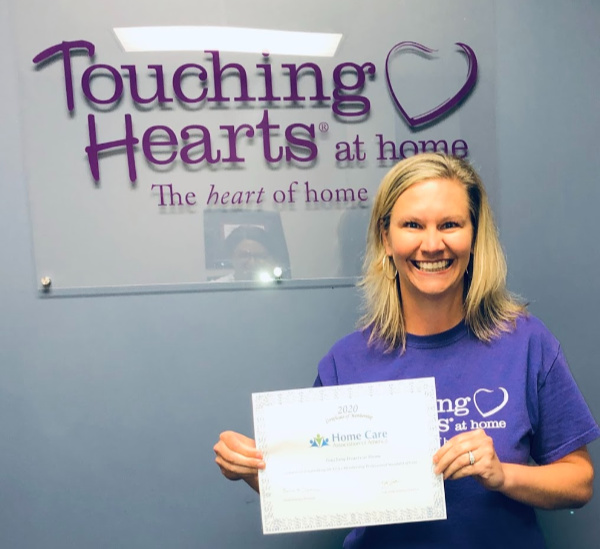
Touching Hearts at Home is an in-home senior care franchise that offers a solution to America’s growing aging population, who are increasingly seeking the ability to age in place. Our services meet the rising demand for in-home care in a meaningful and financially viable way, helping seniors maintain their independence with dignity.

“Touching Hearts provides one-on-one, person-centered care,” says founder Renae Peterson. “We give seniors companionship, fight loneliness, and help improve their quality of life. Our personalized care plans are unique to each individual — and we've helped many add years to their lives while maintaining their quality of life.”

Now is the perfect time to join Touching Hearts at Home. The senior care industry market is growing rapidly, with demand increasing across cities nationwide. We’re seeking passionate entrepreneurs who want to make a positive impact in their communities and help seniors lead more fulfilling lives. Complete our form, and we’ll be in touch to discuss the Touching Hearts opportunity soon.


 Let’s Dive into Our Industry!
phone-handset linkedin facebook pinterest youtube rss twitter instagram facebook-blank rss-blank linkedin-blank pinterest youtube twitter instagram